
Back to Marbella Districts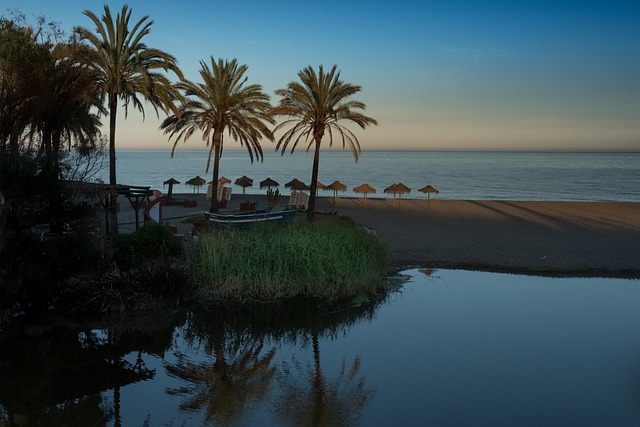
Marbella
Marbella
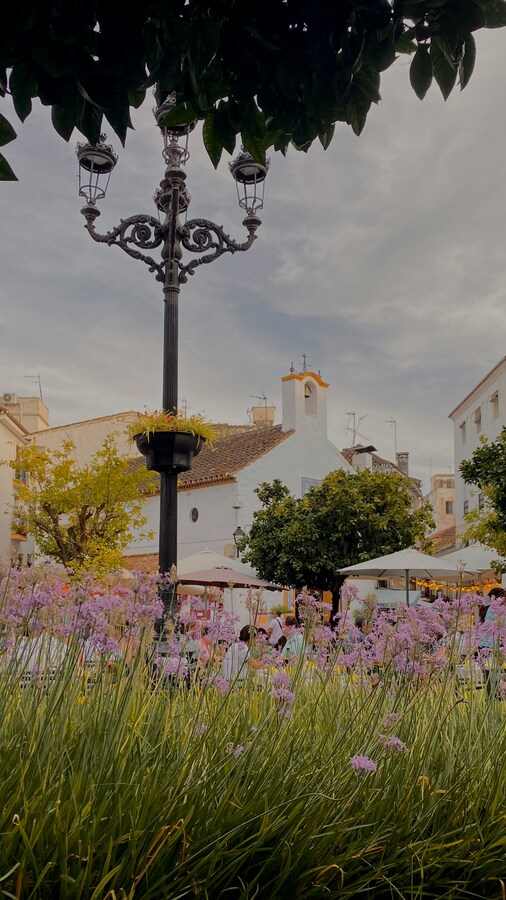
Marbella Centro, the heart of this vibrant coastal city, seamlessly blends historic charm with modern vibrancy. Wander through its enchanting maze of cobblestone streets, lined with whitewashed buildings adorned with colorful flower pots. Discover hidden plazas bustling with tapas bars and restaurants, and soak up the lively atmosphere of this captivating district.
Here's what makes Marbella Centro special:
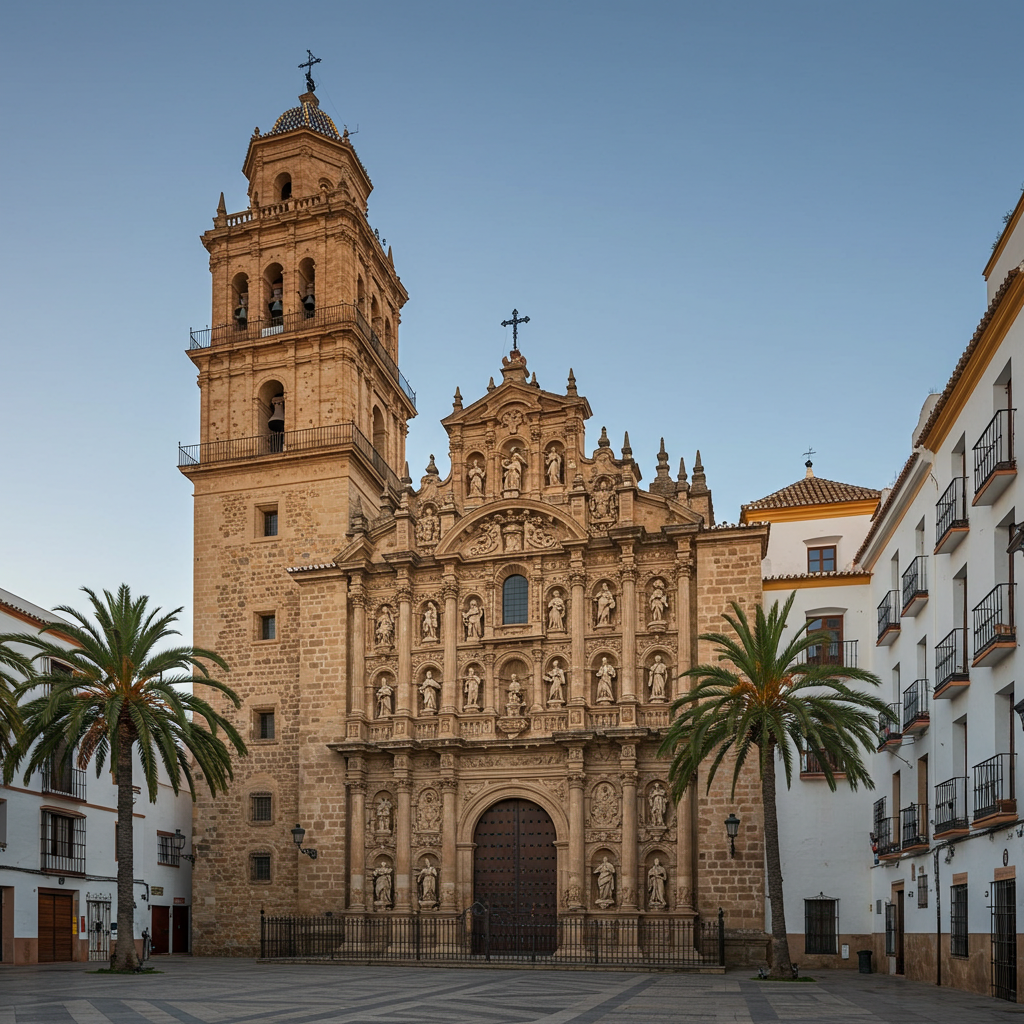
- Historic Charm: Explore the narrow streets and squares of the Old Town, where you'll find architectural gems like the 16th-century Town Hall and the Iglesia de la Encarnación church.
- Plaza de los Naranjos: Relax in this picturesque square, shaded by orange trees and surrounded by historic buildings, cafes, and restaurants.
- Shopping and Dining: Discover a mix of boutiques, souvenir shops, and traditional Spanish stores, alongside a diverse culinary scene offering everything from tapas to international cuisine.
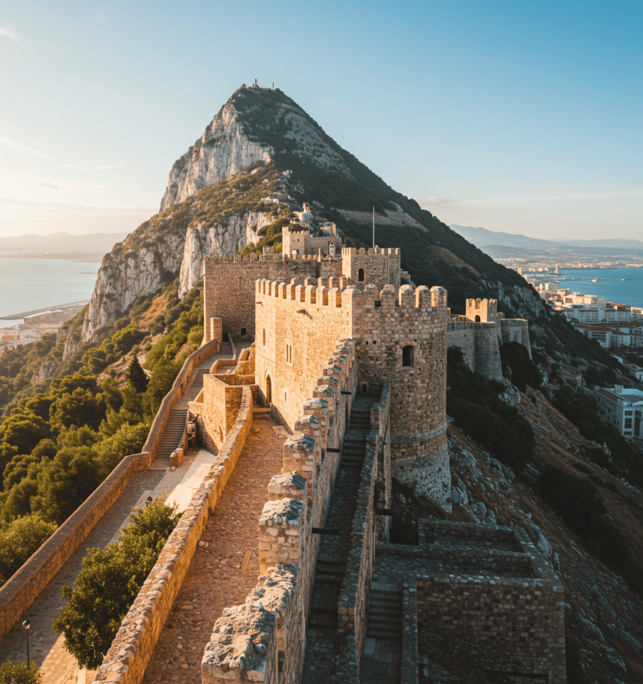
- Cultural Attractions: Visit the Museo del Grabado Español Contemporáneo, showcasing contemporary Spanish engravings, or explore the remains of the Moorish castle walls.
- Avenida del Mar: Stroll along this beautiful pedestrianized avenue, lined with sculptures by Salvador Dalí and offering stunning views of the Mediterranean Sea.
Marbella Centro is the perfect place to experience the authentic Andalusian atmosphere and vibrant energy of this beautiful city.
See all apartmentsHere's what makes Marbella Centro special:
- Historic Charm: Explore the narrow streets and squares of the Old Town, where you'll find architectural gems like the 16th-century Town Hall and the Iglesia de la Encarnación church.
- Plaza de los Naranjos: Relax in this picturesque square, shaded by orange trees and surrounded by historic buildings, cafes, and restaurants.
- Shopping and Dining: Discover a mix of boutiques, souvenir shops, and traditional Spanish stores, alongside a diverse culinary scene offering everything from tapas to international cuisine.
- Cultural Attractions: Visit the Museo del Grabado Español Contemporáneo, showcasing contemporary Spanish engravings, or explore the remains of the Moorish castle walls.
- Avenida del Mar: Stroll along this beautiful pedestrianized avenue, lined with sculptures by Salvador Dalí and offering stunning views of the Mediterranean Sea.
Marbella Centro is the perfect place to experience the authentic Andalusian atmosphere and vibrant energy of this beautiful city.
.jpg?w=3840&q=75)
.png?w=3840&q=75)

.jpg?w=3840&q=75)
+34 934 522 568
Calle Roselló 184, 6º 4ª
08008 Barcelona, España
08008 Barcelona, España