Barcelona areas
Click on any district to learn more about the area and to view apartments on the map.
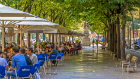 Sagrada Família
La Sagrada Família is a neighborhood surrounding the Barcelona’s most famous basilica with the same name, the stunning Sagrada Família. The area is vibrant and away from the most touristic parts of the city. From La Sagrada Familia you’ll find local lifestyle, quietness and many restaurants and bars.
 Rambla Catalunya
Rambla de Catalunya is located in the middle of Eixample neighborhood, and a natural continuation of the famous Las Ramblas boulevard. This kilometre-long pedestrian street is shaded with trees which makes it pleasant to stroll along during hot summer days.
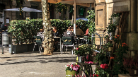 Street Enrique Granados
Carrer d’Enric Granados is a street named after the famous Catalan composer Enrique Granados. It is located in the middle of left Eixample neighborhood, reaching down to the University of Barcelona from the Diagonal avenue in the north.
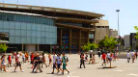 Les Corts
Les Corts neighborhood is located at the western half of Avinguda Diagonal street and it’s well communicated with public transportation. The area is one of the most important business districts in Barcelona and bustling during the days, but nice and calm when people heads home after their shifts. From this neighborhood you will find many good restaurants and hidden attractions.
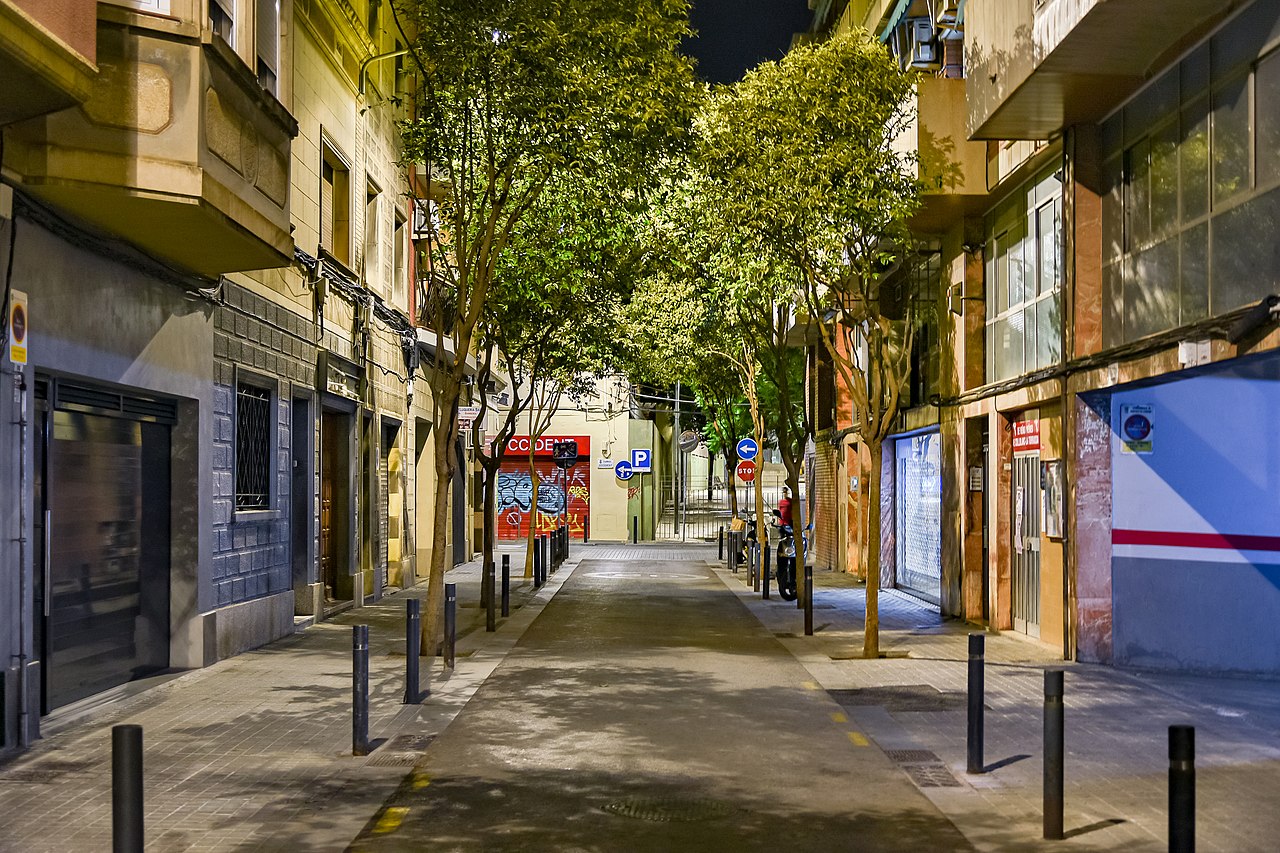 Collblanc
Authentic and quiet area of Barcelona. It is known for its proximity to the Camp Nou stadium and great transport connections.
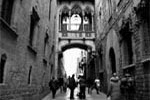 Barri Gotic, Las Ramblas
The Barri Gotic, its Catalan name (Gothic Quarter), is no doubt the true heart of the city. Its labyrinth of winding streets and asymmetric squares goes from the famous Las Ramblas to the sea at ‘Drassanes’. While enjoying the gothic architecture your senses will be stimulated by the smells of different types of food, beer and sites of street artists, all making this area unforgettable.
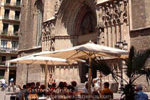 Born - La Ribera
The Born area is the fashionable part of Barcelona. Over the last few years this area, located between the Gothic Quarter, the sea and Ciutadella park, has rapidly become the part of the city known for its fast paced & cosmopolitan atmosphere.
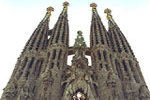 Eixample
Barcelona’s most extensive and most populated area. A geometric grid which goes from the Gothic Quarter until Gracia. It lies on both sides of Passeig de Gracia. To make it easier, the Catalans divded the Eixample into the ‘Esquerra’ and ‘Dreta’ (meaning literally the left and right). It is an elegant residential and business centre by day and a quiet, calm place at night. The apartments Eixample Barcelona are traditionally decorated in Catalan bourgeoisie style and situated in characteristic elegant buildings.
 Gracia
Gracia is in a unique dimension, where time multiplies and space intertwines in the small semi-pedestrian streets and in the squares where the life in the neighborhood finds its most authentic expression.
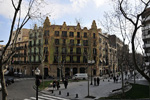 Poble Nou
Away from the crowded centre, the Poble Nou district is wonderfully located, overlooking the sea. Quiet and increasingly full of youth initiatives, is it an excellent starting point for visiting the city and staying near to the most beautiful beaches of Barcelona.
 Sants
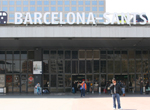
Sants
The largest district of Barcelona, occupies the southern part of town. It is a very authentic with various parcs dotted around. It is one of the areas of Barcelona with the lowest population density, as there is a lot of gardens and park areas and the residential area is mainly in the lower part.
 Sarrià, Sant Gervasi
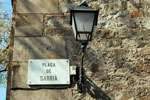
Sarria-Sant Gervasi occupies a large area in uptown: this settlement was a separate village until the nineteenth century. Even today the atmosphere is cosy. Peaceful, mainly residential, it extends up to Collserola between squares, gardens and elegant apartments- Sarria-Sant Gervasi.
 Barceloneta
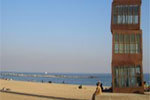
Barceloneta is a must see during your stay in Barcelona. This area maintains its charm during the summer season as well as the winter. Always busy, Barceloneta is Barcelona’s most well-known beach, charaterised by its bars, sea-food restaurants, tourists and locals passing by the seaside. On the small streets near the sea, you can observe typical fishermen homes. Those apartment buildings are low with typical maritime architecture, adding to the bohemian spirit of the area.